Construction Site Problems We Commonly See
Most site owners call after the same problem starts repeating: work is happening near open edges, small materials are falling from upper floors, dust is reaching nearby areas, or residents and neighbours are worried about an active project. A construction safety net may look simple, but the net performs better when the right material is used in the right place and fixed with enough support.
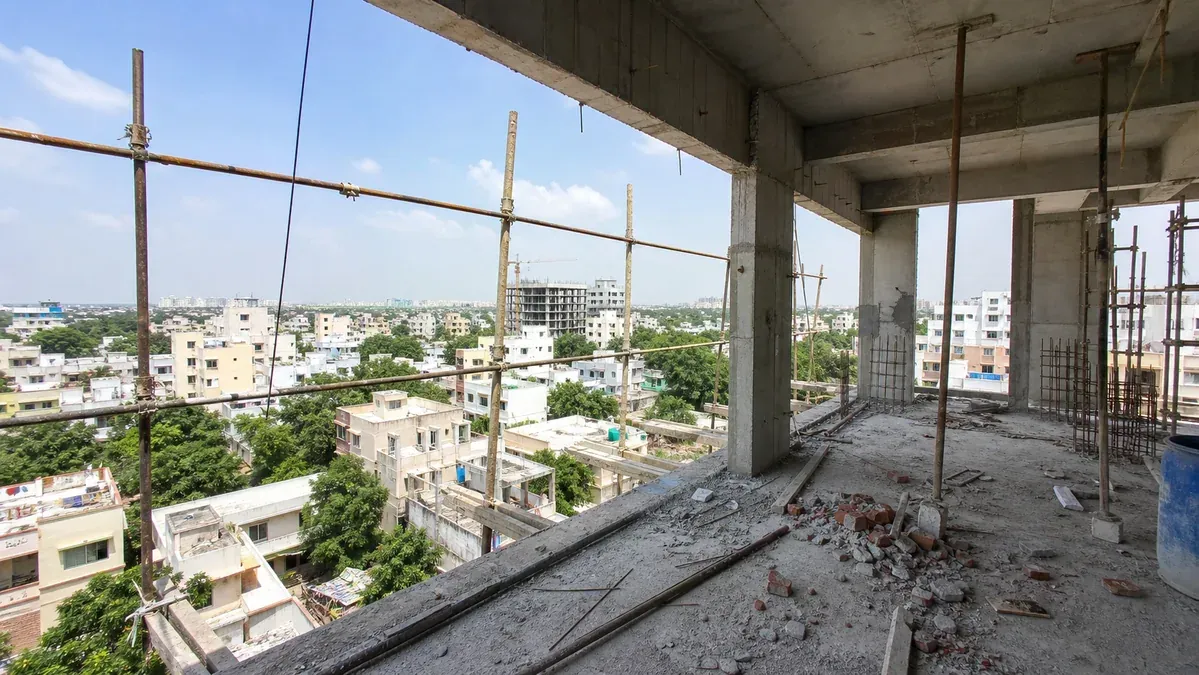
- Open slab edges on under-construction floors
- Scaffolding sides that need visible protection
- Debris falling near parking, road or walkway areas
- Lift openings, shaft openings and duct zones
- Material movement points where loose items may drop
- Renovation sites near occupied homes or shops
- High-rise construction areas exposed to wind
- Temporary site protection before permanent finishing work
Need Help With Construction Safety Nets?
Not sure whether your site needs side coverage, slab-edge netting, duct covering or debris protection? Send us a few site photos on WhatsApp. We will check the issue and guide you with the right coverage before inspection.
Where We Install Construction Safety Nets
Construction net installation is useful wherever loose material, exposed height or temporary site gaps can affect people, vehicles or neighbouring property. We handle building safety nets in Hyderabad for apartment projects, villa construction, commercial buildings, warehouses, renovation work, contractor sites and high-rise projects.
Open Building Sides
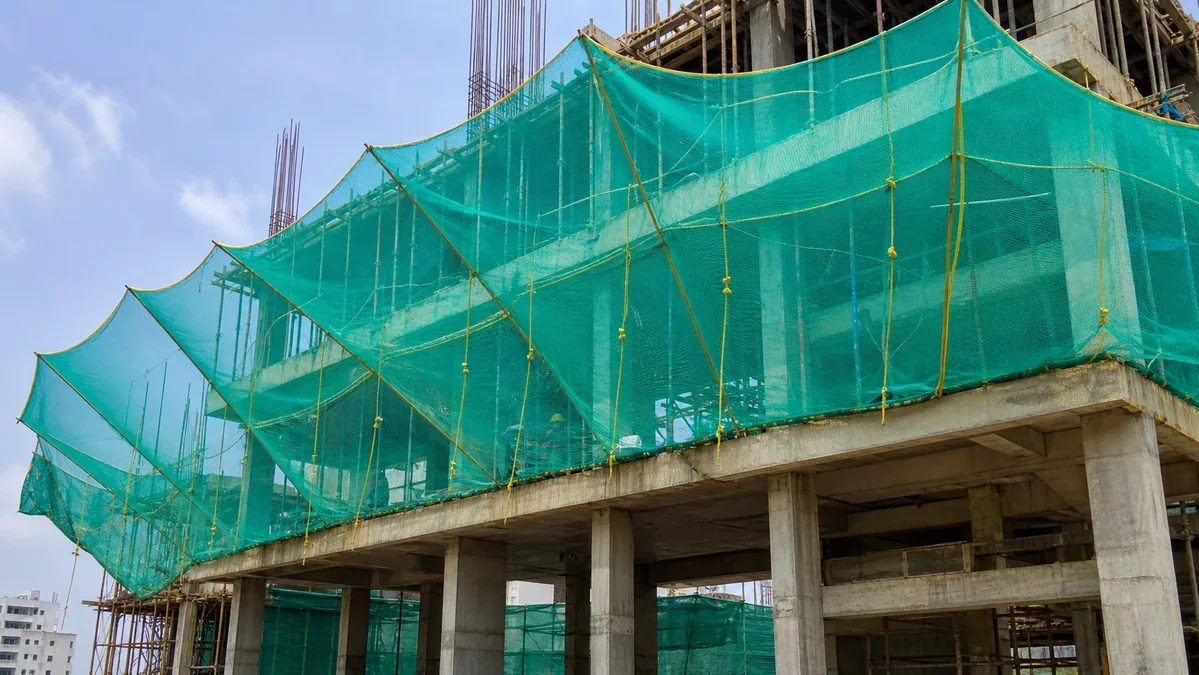
Side safety netting helps create a practical boundary around exposed building faces, slab edges and upper-floor work zones.
Scaffolding Areas
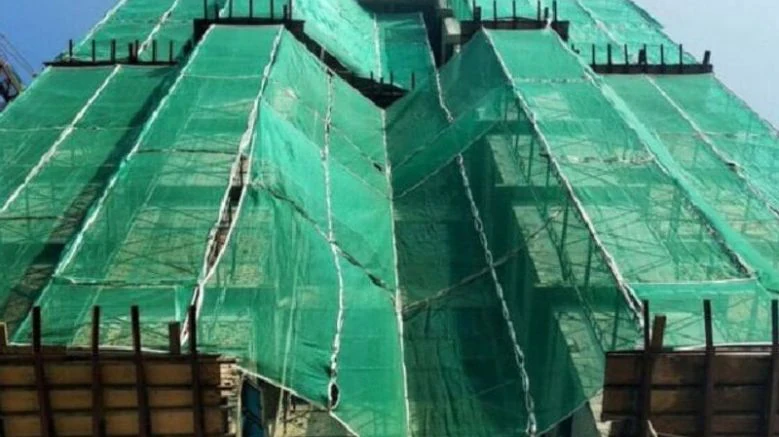
Scaffolding safety net installation helps reduce loose material movement and makes the outside work area look more controlled.
Ducts, Shafts and Lift Openings
Open ducts, service shafts and lift zones need targeted netting so workers can identify and manage the risk area better.
Debris Protection Zones
Parking sides, pedestrian paths, neighbouring buildings and material storage areas can need net coverage during active site work.
Simple rule: the best construction safety net is not only strong; it is placed correctly. We check the actual site condition before suggesting the coverage, because every building, height and fixing surface is different.
What Happens During Installation
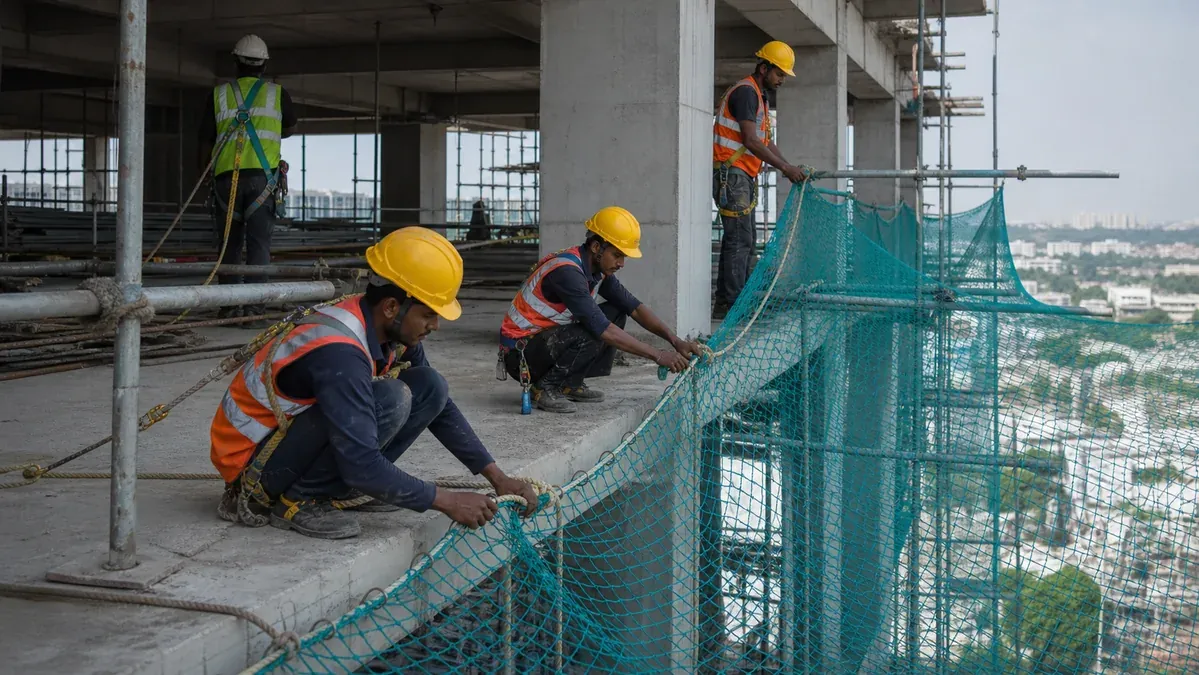
We plan the work around the site condition. Some sites have clear concrete fixing points. Some need rope support, hooks, clamps or anchor fixing. Our team checks these details before starting so the net does not hang loosely, block work unnecessarily or leave important areas uncovered.
Our Installation Process
- Share site photos, approximate measurements and Hyderabad location.
- We check exposed sides, height, fixing points, scaffolding and material movement.
- The suitable net type, rope support and fixing method are suggested.
- Price is confirmed based on area, access, material and site risk.
- Hooks, anchors, ropes or cable supports are fixed as needed.
- The net is stretched, tied, tensioned and checked section by section.
- Final coverage is reviewed so loose ends and uncovered risk spots are corrected.
Material Options for Construction Safety Nets
Different construction sites need different material choices. A small renovation area is not the same as a high-rise exterior face, and a shaded duct zone is different from a sun-exposed scaffolding side. That is why we check sunlight exposure, fixing span and expected site use before suggesting material.
| Material / Part |
Best For |
| HDPE safety net |
Regular building site coverage, open sides and debris-prone zones. |
| Nylon safety net |
Flexible netting needs where strength and controlled stretch are important. |
| UV-stabilized net |
Outdoor construction areas exposed to strong sunlight and weather. |
| Border rope |
Better edge strength, neater finishing and improved tensioning. |
| Support cable / rope |
Wider spans, scaffolding lines and larger building side coverage. |
| Hooks / anchors / clamps |
Secure fixing to concrete, beam, grill, metal frame or scaffolding structure. |
How We Choose the Right Construction Safety Net
For small renovation areas, we may suggest lighter coverage with proper rope support. For open building sides, scaffolding faces and high-rise exterior areas, stronger net, border rope and secure anchoring are usually needed. We check sunlight exposure, wind direction, fixing surface, span width and expected site activity before suggesting the net type.
For debris safety nets for construction sites, mesh size should suit the loose material expected in that area. For temporary safety nets for construction work, fixing can be planned around short-term activity. For longer-duration projects, UV-stabilized net, stronger border rope and regular inspection become more important.
| Specification |
What we check |
| Net thickness |
Selected based on span, expected site activity and whether the coverage is temporary or long-duration. |
| Mesh size |
Chosen according to the type of debris, dust, tools or loose material risk around the work area. |
| UV protection |
Important for outdoor faces, high-rise sides and areas exposed to strong Hyderabad sunlight. |
| Border rope |
Used for better edge strength, neat tensioning and firmer support around the covered section. |
| Fixing method |
Hooks, anchors, clamps, rope ties or support cable are selected based on concrete, metal or scaffolding surfaces. |
| Inspection frequency |
Active sites should check nets regularly, especially after wind, rain, scaffolding changes or material impact. |
Construction Safety Net Price in Hyderabad
Basic construction safety net work usually starts after site measurement. Final rate depends on height, access, net type, fixing method and total coverage area. For a proper estimate, send site photos, approximate width and height, location and whether the net is needed for side coverage, debris control, shaft covering or exposed-side protection.
| Factor |
How it affects price |
| Coverage area |
Larger building sides and wider spans need more net, rope and fixing time. |
| Height |
Higher fixing points need more safety care, access planning and labour time. |
| Material strength |
UV-stabilized and stronger net options usually cost more than basic netting. |
| Fixing surface |
Concrete, metal, scaffolding and temporary structures need different hardware. |
| Coverage type |
Side netting, top covering, shaft covering and debris control use different methods. |
| Site access |
Tight spaces, active work zones and difficult access can increase installation effort. |
Want Exact Pricing?
Send construction site photos, approximate measurements and location. We will check whether the site needs side coverage, duct covering, scaffolding netting or debris protection and guide you with the right installation method.
How We Plan the Net Line on a Building Site
The net line is the route where the construction safety net is fixed around the exposed side, scaffolding face, duct opening or work zone. This line should be planned after checking the real site movement. A building side facing a road needs different attention from an inner duct area. A renovation site in an occupied apartment needs different planning from a new construction project. A scaffolding face may need continuous side coverage, while a small shaft or duct opening may need targeted net fixing only around that risk area.
We check where work is happening, where material is stored, where workers pass, where loose debris can move and where the nearest residents, vehicles or public areas are located. The net should be fixed where it helps the actual problem. If it is fixed too low, it may not cover the risky opening properly. If it is fixed without enough rope support, it may sag. If it blocks access routes, workers may pull it aside. These small site decisions affect how useful the installation will be after we leave.
For scaffolding safety net installation, we check the scaffolding condition, tie points, height and work sequence. For slab edge safety nets, we look at beam edges, open sides, temporary railing and available anchor points. For duct and shaft covering, we check the opening size, surrounding surface and whether workers need later access. For debris safety nets for construction sites, mesh selection and fixing direction matter because dust, small debris and larger loose material do not behave the same way.
Temporary Work, Long-Duration Work and Site Changes
Some construction safety nets are needed for a short repair job. Some are needed for many weeks while plastering, facade work, duct work or structural work continues. The fixing method can change based on that timeline. Temporary safety nets for construction work may need practical installation and removal planning. Longer-duration building safety nets may need stronger border rope, UV-stabilized net, better anchor checking and clearer maintenance instructions.
Construction sites change quickly. A net that was correct during slab work may need checking again after scaffolding changes. A duct area may be opened later for plumbing, electrical work or waterproofing. A side net may need retensioning after wind, rain or material movement. Because of this, we explain which parts should be inspected by the site team: mesh cuts, rope knots, hooks, anchors, collected debris and loose corners should be checked regularly.
We also discuss coordination before starting. If drilling, ladder movement or anchor fixing is needed, the nearby area should be cleared and made safer for the installers. If site work is active, the installation can sometimes be done section by section, but the specific fixing zone must still be controlled. This makes the work smoother for builders, contractors, supervisors and property owners.
Common Site Situations We Handle
A builder may call because debris is falling near parking or neighbour property. A contractor may need scaffolding safety net installation before exterior work starts. A villa owner may want a duct or shaft covered during renovation. A commercial site supervisor may need side netting near a service lane where people and material movement overlap. These situations all need construction safety nets, but the fixing method, mesh size, rope support and access planning can be different.
Why Customers Call SJ Invisible Grill
We check the actual site risk
Every project is different. We first check whether the issue is open height, debris movement, scaffolding side, shaft opening or nearby public movement.
We suggest only needed coverage
Some areas need complete side netting, but many sites need targeted coverage. We avoid unnecessary work where it is not useful.
We focus on neat fixing
The net should be tied properly, tensioned well and supported at the edges so it does not look loose or disturb site movement.
We keep pricing clear
Final price is explained after measurement and site checking, including material, height, fixing method and access difficulty.
Who This Service Is For
Builders and contractors
Apartment construction projects
Villa owners and site supervisors
Commercial building sites
Renovation contractors
Schools and institutional projects
Warehouses and industrial sites
High-rise construction teams
Construction Safety Nets Across Hyderabad
We provide construction safety net inspection and installation across Hyderabad, including Tellapur, Manikonda, Gachibowli, Kondapur, Madhapur, Hitech City, Kukatpally, Miyapur, Nizampet, Banjara Hills, Jubilee Hills, Nallagandla, Financial District, Kokapet, Attapur, LB Nagar, Uppal, Secunderabad and nearby areas.
TellapurManikondaGachibowliKondapurMadhapurHitech CityKukatpallyMiyapurNizampetBanjara HillsJubilee HillsNallagandlaFinancial DistrictKokapetAttapurLB NagarUppalSecunderabad
Before You Ask for a Quote
To guide you quickly, share clear photos of the construction area. Include the exposed side, fixing surface, approximate height, width, scaffolding view and any place where loose material is falling. Also share the Hyderabad location and tell us whether the work is temporary, long-duration or urgent.
- Site photos from inside and outside
- Approximate width and height
- Location and site access details
- Coverage type: side, top, shaft or duct
- Fixing surface: concrete, metal or scaffolding
- Main issue: falling debris, open edge or worker movement
Maintenance and Safety Notes
Construction sites change every day, so safety nets should be checked regularly. After heavy wind, rain, material shifting, scaffolding changes or impact from loose objects, inspect the net, ropes and fixing points. Repair cuts, loose knots and shifted anchors early. Do not hang extra weight on the net or use it as a storage support.
Construction safety nets help reduce risk around exposed building sides, debris-prone areas, ducts and scaffolding zones. They should be used along with proper site safety practices, supervision, barricading, PPE and approved construction safety procedures. Final suitability depends on site condition, fixing strength, material choice and regular inspection.
Related Safety Net Services
How We Think About Temporary Site Work
Construction sites keep changing. A net that works for one stage may need adjustment when scaffolding moves, slab work progresses, exterior plastering starts or material movement changes direction. We discuss whether the requirement is short-duration protection for a renovation area or longer-duration safety netting for a building side, scaffolding face or open shaft zone.
For temporary safety nets for construction work, we focus on practical fixing and inspection access. The net should not become a hidden place for heavy debris collection. Site teams should check the net after strong wind, rain, material impact or major work changes. If the work stage changes, the net line may also need to be reviewed.
Net Specification Details Customers Ask About
Customers often ask about HDPE net thickness, mesh size, UV protection, border rope, fixing method and whether the net can stay for a long duration. The answer depends on sunlight exposure, wind direction, span width, fixing surface, height and the type of site activity. A small renovation opening may need lighter planning, while scaffolding safety net installation or debris safety nets for construction sites usually need stronger edge support.
| Specification | What we check |
|---|
| Mesh size | Selected based on debris type, visibility, wind exposure and the purpose of the safety net. |
| HDPE or nylon net | Suggested after checking duration, exposure, span size and expected site conditions. |
| UV-stabilized option | Useful where the net will face direct sunlight for longer periods. |
| Border rope | Helps the edge stay stronger and makes tensioning cleaner across the span. |
| Support cable or rope | Needed for wider areas, open sides and locations where the net should not sag quickly. |
| Inspection frequency | Depends on weather, site activity, debris collection and whether nearby work is changing. |
What the Site Team Should Keep in Mind
Construction safety nets help reduce risk around open edges, debris-prone areas, ducts and scaffolding zones. They should be used along with proper site safety practices, supervision, barricading, PPE and approved construction safety procedures. Final suitability depends on site condition, fixing strength, material choice and regular inspection.
We explain this clearly because no single net should be treated as the full safety system for a construction site. The net is one physical safety layer. Good housekeeping, controlled material movement, worker supervision and regular checking are also important. If the fixing point becomes weak or the net gets damaged, repair should happen early.
Questions Customers Ask
Construction Safety Nets FAQ
Are construction safety nets useful for building sites?
Yes. They help reduce risk around exposed sides, scaffolding, lift openings and debris-prone areas. The net performs better when the right material, support rope and fixing method are used for the actual site condition. It should also be supported by proper site safety practices and supervision.
Can you install nets for slab edges and scaffolding?
Yes. We install nets for slab edges, open building sides, scaffolding lines, shaft zones and material movement areas after checking fixing points, height and access.
Which material should I choose?
HDPE, nylon and UV-stabilized nets are commonly used. The right choice depends on sunlight exposure, span size, mesh requirement, border rope, fixing surface and whether the net is for short-term or long-duration construction work.
How do you calculate exact price?
Basic construction safety net work usually starts after site measurement. Final rate depends on height, access, net type, fixing method and total coverage area. Send site photos, approximate measurements and location on WhatsApp for a practical estimate.
Do you provide construction safety nets near me in Hyderabad?
Yes. We provide construction safety net inspection and installation across Hyderabad and nearby areas based on schedule, location, access and safe working conditions.
Can installation happen while site work is going on?
In many cases, yes, but the fixing area must be made safe before installation. We usually plan the work section by section so workers, material movement and nearby spaces are handled carefully.
Do construction safety nets need maintenance?
Yes. Check the net after heavy wind, rain, material impact or scaffolding changes. Loose ropes, damaged mesh, shifted hooks and collected debris should be corrected early.
Book Construction Safety Net Installation in Hyderabad
Make your construction site easier to manage with neatly installed safety nets for open edges, scaffolding, ducts, shafts and debris-risk areas. Call or WhatsApp SJ Invisible Grill for inspection, material suggestion and price estimate.